






TUI NAVITILEVU COMMENDS TLTB’S NEW DIRECTION AND LANDOWNER-FOCUSED APPROACH
October 6, 2026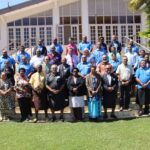
— MEDIA STATEMENT — TLTB PUTS LANDOWNERS AT THE CENTRE OF THE ROADMAP FOR A SUSTAINABLE FINANCIAL INSTITUTION
October 6, 2026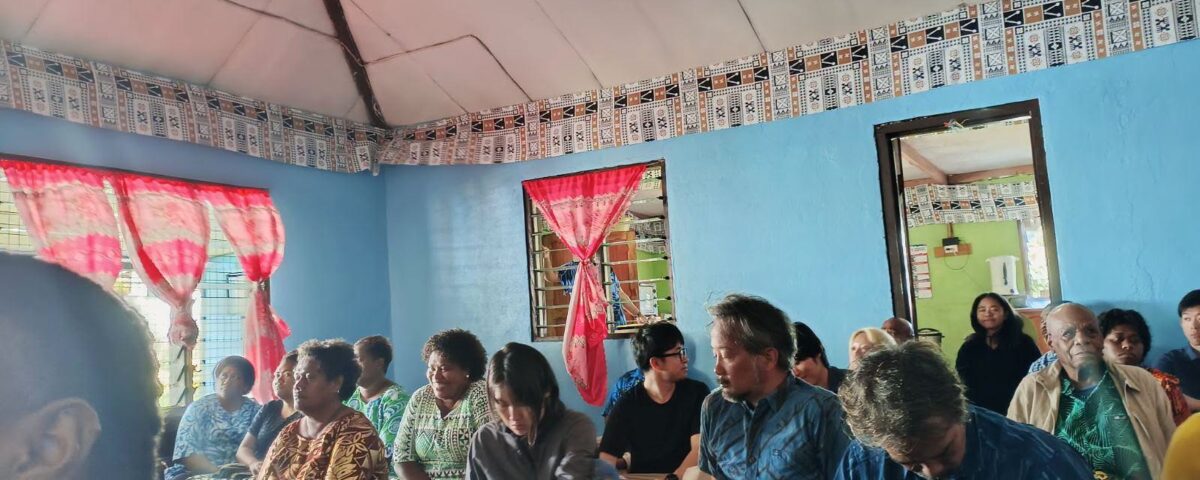
The iTaukei Land Trust Board (TLTB) is strengthening its commitment to sustainable land management and environmental stewardship through its ongoing Soil Health Research Project, following its participation in the closing workshop of a regional scientific research initiative held at Nakorokula Village in Rakiraki.
The workshop marked the conclusion of the Asia-Pacific Network for Global Change Research (APN)-supported project titled “Co-developing Nutrient Thresholds in Submarine Groundwater Discharge: An Integrated Trans-disciplinary and Capacity Development Project Towards Safeguarding the Future of Coral Reefs in the Pacific Region.” The project focused on case study sites at Nakorokula Village, Navolau No. 1, Navolau No. 2 and Namuamada Village in Ra.
The event brought together researchers, government agencies, community reps and development partners to discuss findings on how submarine groundwater discharge (SGD) transports nutrients from land-based activities into coastal environments, ultimately impacting coral reef ecosystems, fisheries resources and the livelihoods of coastal communities.
A key outcome of the research was the strong scientific connection established between land-use practices, soil health, groundwater quality, watershed management and the long-term sustainability of Fiji’s coastal and marine ecosystems. The findings reinforced the need for integrated “ridge-to-reef” approaches that protect and sustainably manage both terrestrial and marine resources.
Representatives from the TLTB Research Team, Environment Team and Special Projects Team also attended the workshop as part of the Board’s ongoing efforts to strengthen its Soil Health Research Project, which has been undertaken over the past ten months.
The workshop provided valuable insights that directly support TLTB’s soil health research objectives, including a better understanding of the relationship between soil degradation, nutrient leaching, groundwater movement and downstream impacts on coastal ecosystems. Discussions also highlighted the importance of maintaining healthy soils to minimise nutrient runoff and sedimentation, improve agricultural productivity and protect environmental resources on iTaukei land.
The findings further underscored the need for science-based land management practices and robust environmental monitoring systems to support sustainable land-use planning, climate resilience and long-term resource stewardship.
For TLTB, the research reaffirmed that healthy soils are fundamental not only to productive agricultural systems but also to the health of rivers, groundwater resources, coral reefs and fisheries that support the livelihoods and wellbeing of indigenous communities throughout Fiji.